What Is Cupro Fabric? Types, Properties, Uses, and How It Compares to Silk
You pick up a blouse at a boutique, check the label, and see “100% Cupro.” You’ve heard of cotton, silk, and even modal — but what exactly is cupro? It turns out, it’s one of the most quietly useful fabrics in modern fashion. Soft like silk, breathable like cotton, and made from what is essentially cotton waste — cupro has been used in high-end suit linings and luxury dresses for decades, well before “sustainable fashion” became a mainstream phrase. This guide breaks down what cupro fabric actually is, how it differs from silk and viscose, what it’s good for, and what to check before you buy it.
What Is Cupro Fabric?
Cupro is a semi-synthetic fabric made from cotton linter — the tiny, downy fibers that cling to cotton seeds after ginning. These fibers are too short to spin into regular cotton yarn, so they would normally be discarded as a byproduct of cotton oil production. Cupro gives them a second life.
The full technical name is cuprammonium rayon (often shortened to “cupra”). To make it, manufacturers dissolve cotton linter in a copper-ammonia solution — hence the name, which comes from the Latin word for copper, cuprum. The dissolved cellulose is then pushed through fine nozzles and regenerated into smooth, continuous fibers.
Because it starts as a natural plant material but goes through a significant chemical process, cupro sits in the same category as viscose and modal: regenerated cellulose fibers, or man-made cellulosic fibers (MMCFs). It is not a fully natural fiber like raw cotton, and it is not a petroleum-based synthetic like polyester.
You may also see cupro labeled as:
- Cupra (common in European markets)
- Ammonia silk (an older trade name)
- Bemberg™ (the premium branded version made by Japan’s Asahi Kasei)
Types of Cupro Fabric
Not all cupro is the same. Understanding the differences helps when you’re buying or sourcing.
Generic Cuprammonium Rayon
This is the unbranded, commodity version of cupro. Most of it is produced in China and sold through standard supply chains. Quality can vary significantly — some suppliers use the term loosely, and supply chain traceability is limited. If a garment label simply says “cupro” without specifying the source, it likely falls into this category.
Bemberg™
Bemberg is a registered trademark of Asahi Kasei, a Japanese company that is today the world’s only major dedicated cupro manufacturer. What sets Bemberg apart is its production process: it uses a closed-loop system that recovers and reuses copper and ammonia, keeping chemical discharge to a minimum. Bemberg is also backed by third-party certifications (more on those below) and offers full supply chain traceability through its official information portal.
When designers and tailors specify cupro for high-end suit linings or luxury garments, they almost always mean Bemberg.
Cupro Knit vs. Cupro Woven
Cupro is available in both knit and woven constructions:
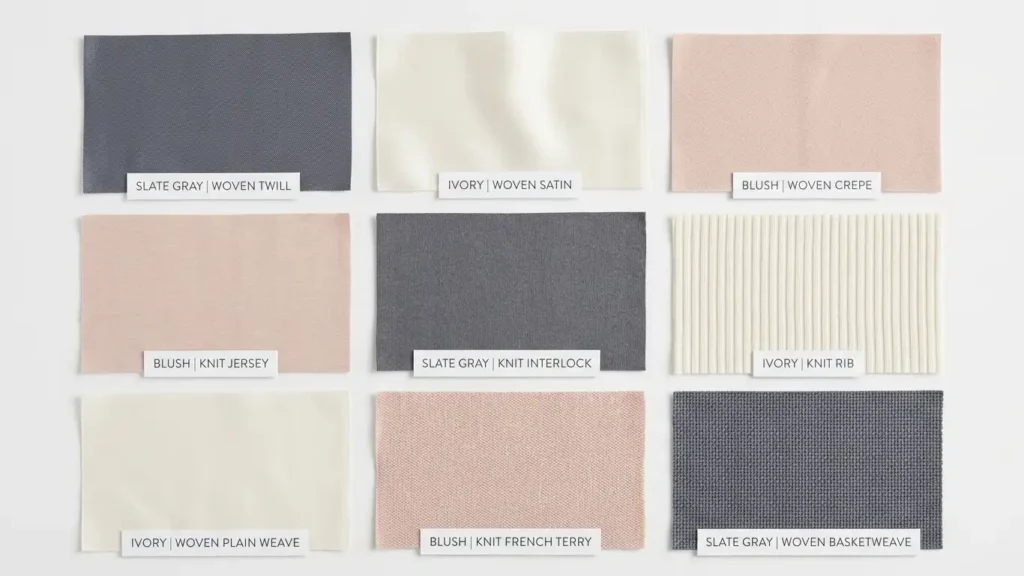
- Cupro jersey (knit): Has a slight stretch, more suitable for form-fitting pieces, blouses, and activewear blends.
- Cupro woven: Firmer structure with superior drape; commonly used in dresses, linings, and tailored garments.
Blended Cupro
Cupro is often blended with spandex for stretch (activewear, yoga wear), cotton for added structure, or modal for enhanced softness. These blends change the fabric’s performance profile noticeably.
Cupro Fabric Properties
Cupro has a distinctive set of physical properties that explain why it’s become a staple in higher-end garments.
Feel and Appearance
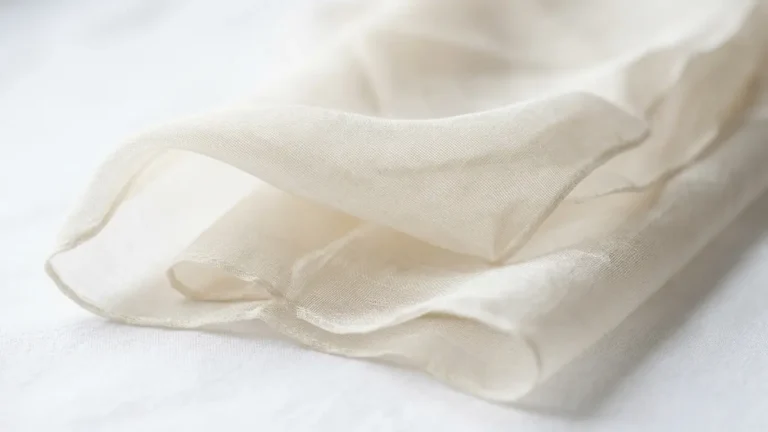
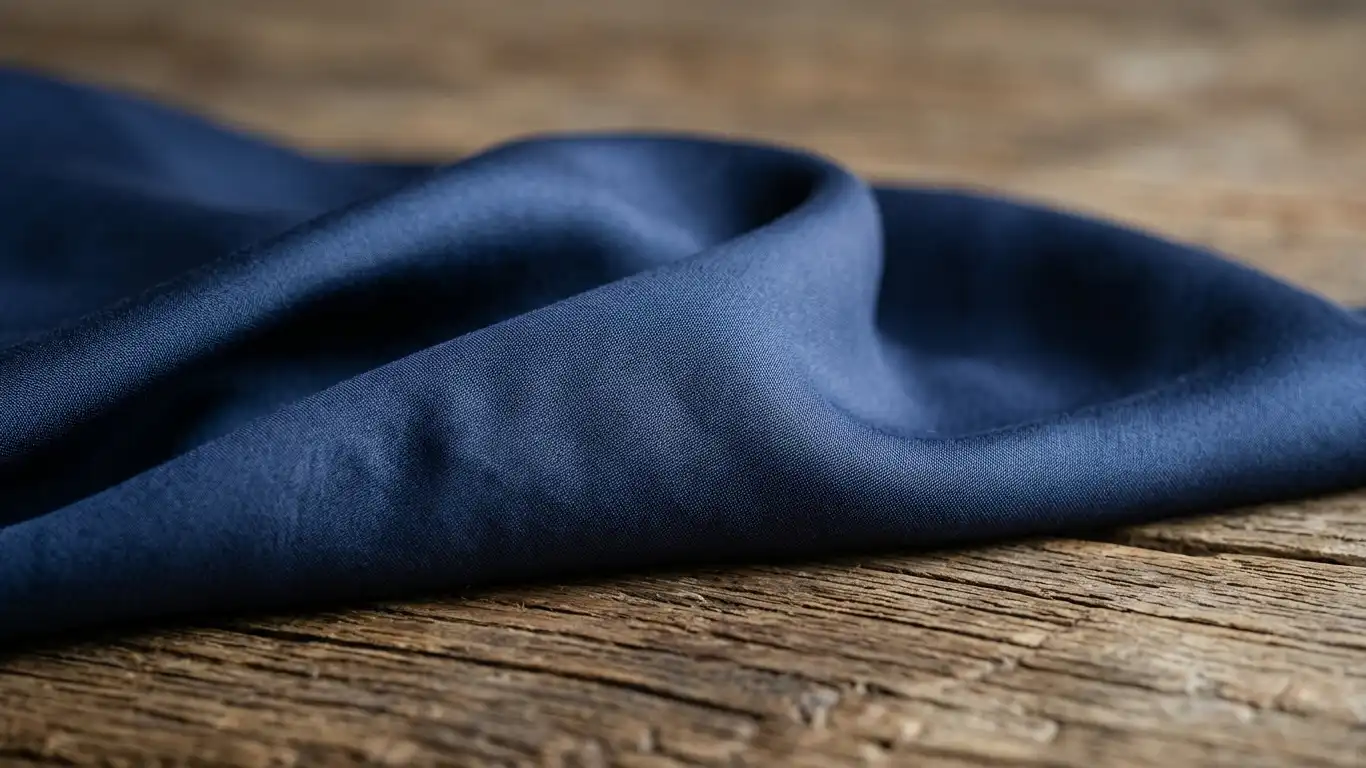
The surface of cupro is very smooth — smoother than most cotton, and close to silk in hand feel. This comes from the regeneration process, which produces fibers with a nearly perfect round cross-section. The result is a fabric with a soft, cool touch and a subtle, matte-to-low luster. It drapes well and moves fluidly, which is why it works well in flowing garments.
Breathability and Moisture Absorption
Cupro is notably breathable for a manufactured fiber. It absorbs moisture — drawing sweat away from the skin — more effectively than polyester or nylon, and at a level comparable to cotton. This makes it comfortable in warm conditions and prevents the clammy, overheated feeling that synthetic fabrics often cause.
Anti-Static Behavior
One of cupro’s most practical qualities is its natural resistance to static electricity. Garments don’t cling awkwardly, and fabrics don’t stick together. This is a key reason why cupro is preferred for suit and coat linings — it allows the garment to glide on and off smoothly.
Hypoallergenic Properties
Cupro is generally considered gentle on skin. It doesn’t contain animal proteins (unlike wool or silk), which can trigger reactions in some people. It’s a common choice for intimate apparel and close-contact garments partly for this reason.
Color Uptake
Cupro dyes well. It absorbs color more readily than many other fabrics, which means less dye is needed to achieve deep, saturated tones. From an environmental standpoint, this can reduce water usage and dye waste in the dyeing process.
Durability and Limitations
Cupro is reasonably durable — stronger than standard viscose and comparable to or better than silk in abrasion resistance. That said, it has real weaknesses:
- It wrinkles easily and is not a travel-friendly fabric.
- It is heat-sensitive. Temperatures above about 180°C can cause it to ignite, and it burns with a residue that contains copper.
- When wet, it loses some tensile strength, so aggressive washing or wringing can cause damage.
- It is prone to shrinkage if washed in hot water.
| Property | Cupro | Comparable To |
|---|---|---|
| Hand feel | Very smooth, cool | Silk, fine viscose |
| Drape | Fluid, excellent | Silk, rayon |
| Moisture absorption | High (~11–13%) | Cotton, modal |
| Anti-static | Yes | Natural fibers |
| Breathability | Good | Cotton |
| Wrinkle resistance | Low | Linen |
| Heat tolerance | Low (ignites ~180°C) | Viscose |
| Color uptake | Excellent | Polyester |
Property comparisons based on general industry textile testing standards (ASTM D5034, ISO 6330). Individual fabric performance may vary by weave, finish, and blend.
Pros and Cons of Cupro Fabric
Pros
- Silk-like feel at a lower price point. Cupro is noticeably softer and more refined than standard rayon, without the cost of genuine silk.
- Plant-based and vegan. No animal products are involved — unlike silk, which requires silkworm cultivation.
- Biodegradable. As a cellulose-based fiber, cupro breaks down naturally in soil. It doesn’t leave behind synthetic microplastic residues the way polyester does.
- Anti-static and breathable. Practical advantages that make it genuinely comfortable to wear in a range of conditions.
- Made from waste material. Using cotton linter — a byproduct that would otherwise be discarded — is a genuine efficiency advantage.
- Dyes efficiently. Less dye and potentially less water needed compared to some other fabrics.
Cons
- Chemical-intensive production. Copper and ammonia are not benign substances. Where closed-loop systems are not in place, wastewater management is a real concern.
- Worker safety risks. Factories without adequate controls expose workers to chemical fumes and contact.
- Wrinkles easily. Not practical for travel or situations where crisp appearance matters throughout the day.
- Delicate to wash. Requires cold water, gentle cycles, and air drying. Hot water causes shrinkage; wringing causes damage.
- Fire hazard. Ignites more easily than natural fibers and leaves copper-containing residue.
- Variable supply chain quality. Without certification (like Bemberg™ or OEKO-TEX), it’s hard to know where generic cupro comes from or how it was made.
What Is Cupro Fabric Used For?
Formal Wear and Evening Dresses
Cupro’s fluid drape makes it a natural fit for dresses, gowns, and blouses. It falls beautifully and gives garments an elegant silhouette without being stiff or synthetic-looking. Many designers use it as a more accessible alternative to silk for occasion wear.
Suit and Coat Linings
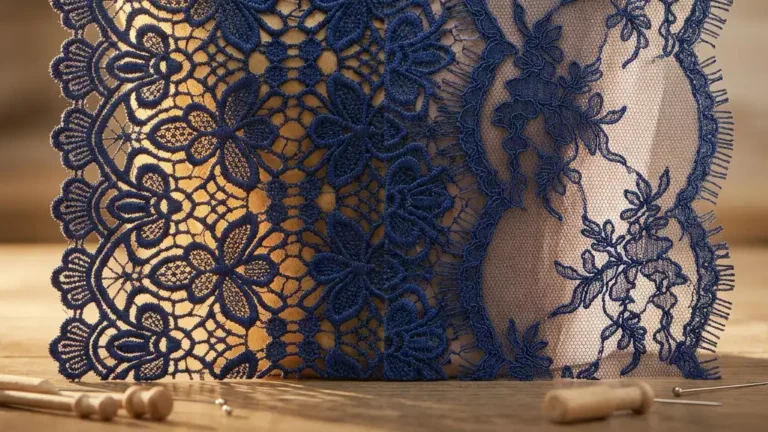
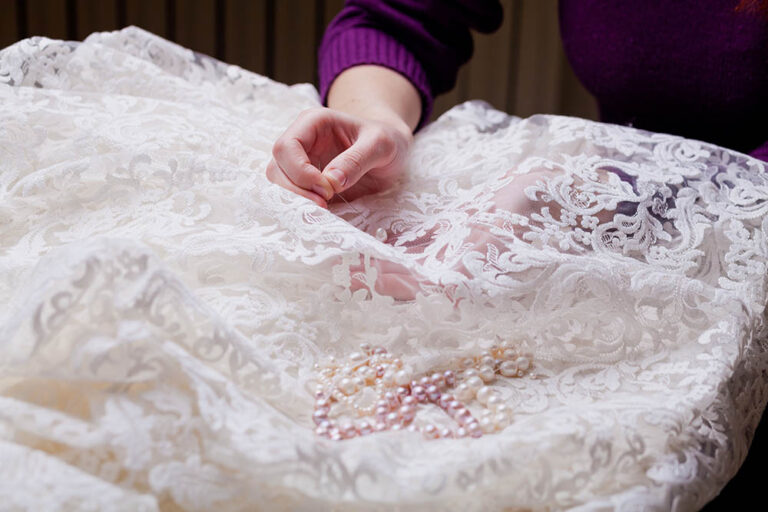
This is arguably cupro’s most established use. High-end suits — particularly from European and Japanese tailors — have used Bemberg cupro lining for decades. The reasons are practical: it breathes, resists static, doesn’t trap heat against the body, and feels smooth as you put the jacket on and take it off. For lace-trimmed or delicately lined garments, cupro pairs well with decorative lace fabrics used in high-end inner construction.
Sleepwear and Lingerie
Cupro’s softness, breathability, and hypoallergenic nature make it a solid choice for nightwear and intimate apparel. It feels cool against the skin in summer and doesn’t cause irritation. It’s sometimes described as a vegan alternative to silk sleepwear.
Activewear (Blended)
On its own, cupro doesn’t stretch much. But when blended with spandex or elastane, it becomes suitable for activewear. The moisture-wicking ability and soft feel make these blends comfortable for yoga, pilates, and light sports. For high-performance applications, technical performance fabrics may be more appropriate, but cupro blends offer a premium feel for lifestyle activewear.
Scarves and Accessories
Cupro scarves have the look and drape of silk at a more accessible price point. The fabric holds color well and has a refined appearance without being overtly shiny.
Cupro in Home Textiles
Cupro’s use in home décor is less talked about, but it’s a real and growing application — particularly for buyers looking for natural-feeling alternatives to synthetic household fabrics.
Curtains and Drapes
At heavier weights (typically above 200 GSM), cupro drapes beautifully from curtain rods and creates a more refined look than polyester. It allows some light filtration and has a natural, soft appearance that works well in bedrooms and living areas.
Bedding and Pillowcases
Cupro pillowcases and sheets offer a silk-like feel at a fraction of the price. The smooth surface is generally considered gentle on skin and hair — a practical advantage for people who want the feel of silk bedding without the cost or care complexity.
Decorative Textiles
Table runners, cushion covers, and decorative throws made from cupro take dye well and have an inherently elegant appearance. The fabric works particularly well for pieces that need to drape or hang rather than hold structure.
Buying tip for home textiles: Check the GSM (grams per square meter) — lighter weights under 140 GSM are better suited for clothing. For curtains and bedding, look for 180 GSM or above. Always verify certification before purchasing, since home textiles are washed regularly and chemical residues in uncertified fabric may be a concern.

Cupro vs Silk
This is the comparison people most often search for — and for good reason. Cupro is widely marketed as “vegan silk,” and the two fabrics do share real similarities.
| Cupro | Silk | |
|---|---|---|
| Source | Cotton linter (plant waste) | Silkworm cocoons (animal) |
| Vegan/cruelty-free | Yes | No |
| Hand feel | Smooth, cool, silky | Warm, smooth, slightly textured |
| Drape | Excellent, fluid | Excellent, slightly stiffer |
| Breathability | Good | Very good |
| Care | Machine washable (gentle cycle) | Usually dry clean or hand wash |
| Durability | Good (more abrasion-resistant) | Moderate (delicate) |
| Price | Significantly lower | High |
| Biodegradable | Yes | Yes |
| Luster | Subtle, matte-low sheen | High natural luster |
General consumer comparison. Exact performance varies by weave, weight, and finish.
When to choose cupro: If you want a silk-like feel, you prefer vegan materials, or you need something that can be machine washed without a trip to the dry cleaner, cupro is a practical and often more affordable choice.
When to choose silk: If natural fiber provenance matters most, you value silk’s distinctive warmth and luster, or you’re buying a once-in-a-while piece where cost is secondary — silk remains unmatched. That said, ethical concerns around silk production (silkworm cultivation) are a factor many buyers weigh seriously.
Cupro vs Viscose/Rayon
Cupro and viscose are close relatives — both are regenerated cellulose fibers in the rayon family. But they’re made differently, feel different, and perform differently. For a deeper look at viscose, see our full guide: What Is Viscose Fabric?
| Cupro | Viscose | |
|---|---|---|
| Raw material | Cotton linter (cotton waste) | Wood pulp (mainly) |
| Production solvent | Copper-ammonia solution | Carbon disulfide (CS₂) |
| Worker safety | Concern (copper, ammonia) | High concern (CS₂ is toxic) |
| Hand feel | Smoother, silkier | Softer but less refined |
| Drape | Superior | Good |
| Durability | Better (stronger wet and dry) | Lower (especially when wet) |
| Breathability | Good | Good |
| Price | Higher | Lower |
| Environmental credentials | Better (if certified, closed-loop) | Variable, often lower |
The practical takeaway: if you’re comparing a Bemberg cupro garment to a standard viscose one, the cupro will feel more refined, drape better, and likely last longer. But viscose is cheaper and far more widely available. For everyday basics, viscose works fine. For linings, occasion wear, or garments where feel and longevity matter, cupro is worth the premium.
Another fabric in the same regenerated cellulose family worth considering is modal — softer and more durable than standard viscose, though with a different drape. Read more in our guide to what is modal fabric.
Cupro Fabric Certifications
The sustainability story around cupro is genuinely complicated. Made from agricultural waste, biodegradable, and produced (at Bemberg) in a closed-loop system — those are real positives. But the copper and ammonia in the production process are not harmless, and not all cupro is made responsibly.
Certifications are the clearest signal of quality and accountability.
OEKO-TEX® Standard 100
This certification tests the finished fabric or garment for harmful chemical residues — including heavy metals, formaldehyde, and pesticides. If a cupro garment carries an OEKO-TEX 100 label, it means the product has been independently tested and confirmed safe for skin contact. This is the most practical certification for consumer-facing products.
Global Recycled Standard (GRS)
The GRS verifies that recycled content (in this case, cotton linter from post-industrial waste) is traceable and accurately labeled. Bemberg™ holds this certification, which supports claims about the fiber’s recycled and circular origins.
Bemberg™ Transparency System
Asahi Kasei maintains a public database of partner factories and production information through its official website. This is unusual in the textile industry, where supply chain transparency is often limited. When a brand uses certified Bemberg, it can point customers to verifiable production data.
REACH (EU Chemical Regulation)
REACH sets limits on hazardous substances in products sold in the EU. For cupro, this primarily concerns copper content and solvent residues. Bemberg and other reputable producers comply; unverified generic cupro may not.
Buyer checklist:
- Look for OEKO-TEX 100 on the garment label.
- Check whether the brand specifies Bemberg™ as the cupro source.
- Ask whether the brand publishes supply chain information.
- Be skeptical of “eco-friendly” or “sustainable” claims on cupro products without third-party certification to back them up.
Summary
Cupro is a soft, smooth, semi-synthetic fabric made from cotton linter — a byproduct of cotton production that would otherwise be discarded. It feels close to silk, drapes well, breathes comfortably, and is free from animal products, which makes it a practical alternative for people who want a silk-like fabric without the ethical concerns or the price. It’s used widely in suit linings, evening wear, lingerie, scarves, and — at heavier weights — in home textiles like curtains and bedding. Compared to viscose, it’s generally finer and more durable; compared to silk, it’s more practical to care for and significantly cheaper. The main caveats are around production: cupro manufacturing involves copper and ammonia, and quality varies considerably between generic producers and certified sources like Bemberg™. If you’re buying cupro, looking for OEKO-TEX or GRS certification is the simplest way to make sure you’re getting what the label promises.
FAQs
Is cupro fabric the same as viscose?
No. Both are regenerated cellulose fibers in the rayon family, but they’re made from different raw materials and use different chemical processes. Cupro comes from cotton linter and uses a copper-ammonia solution; viscose typically comes from wood pulp and uses carbon disulfide. The result is that cupro has a smoother texture, better drape, and higher durability than standard viscose, though it tends to cost more.
Can cupro fabric be washed in a washing machine?
Most cupro garments can be machine washed, but only on a cold, gentle cycle with a mild detergent. Hot water will cause shrinkage, and vigorous agitation can weaken the fibers. Air drying flat is recommended — tumble drying on high heat is not safe for cupro. Always check the care label first, since blended fabrics and certain finishes may have different requirements.
Is cupro fabric sustainable and eco-friendly?
It’s more nuanced than a simple yes or no. Cupro uses cotton linter — a genuine agricultural byproduct — which is a meaningful environmental benefit. Bemberg™, the leading certified cupro producer, also uses a closed-loop system that recovers and recycles the copper and ammonia used in production. That said, generic cupro made without proper chemical management can be a significant pollutant. Cupro is biodegradable and doesn’t shed synthetic microplastics. Overall, well-certified cupro (from Bemberg™ or with OEKO-TEX/GRS credentials) is a more responsible choice than most synthetic fabrics, but it isn’t the same as a fully natural fiber.
Why is cupro used in expensive suit linings?
Cupro — particularly Bemberg™ — became the preferred lining for high-end suits because of a combination of practical properties: it’s anti-static (so jackets glide on and off without clinging), breathable (so wearing a lined jacket doesn’t trap heat uncomfortably), durable (so the lining outlasts lighter alternatives), and smooth (so it doesn’t cause wear on the outer fabric). These properties made it more suitable than polyester linings, and more affordable and consistent than silk.
What is the difference between Bemberg and regular cupro fabric?
Bemberg™ is a premium, trademarked version of cupro made exclusively by Asahi Kasei in Japan. The main differences from generic cupro are quality consistency, production controls, and transparency. Bemberg uses a certified closed-loop manufacturing system that recovers and reuses chemicals, holds third-party certifications (GRS, OEKO-TEX), and provides full traceability through a publicly available factory database. Generic cupro — most of which is produced in China — lacks standardized quality controls and supply chain documentation, making it harder to verify environmental and quality claims.