What Is Chiffon Fabric? The Complete Guide Beyond the Basics
Chiffon fabric is synonymous with elegance and lightness, yet many shoppers have noticed something puzzling: two dresses both labeled “chiffon” can feel and look very different. Why is that? This article goes beyond simple definitions to explain the science, uses, pros and cons, design insights, and pricing realities behind chiffon fabric. Whether you’re a designer, retailer, or an interested consumer, this guide will help you make informed choices and appreciate chiffon’s unique charm.
What Is Chiffon, Exactly?
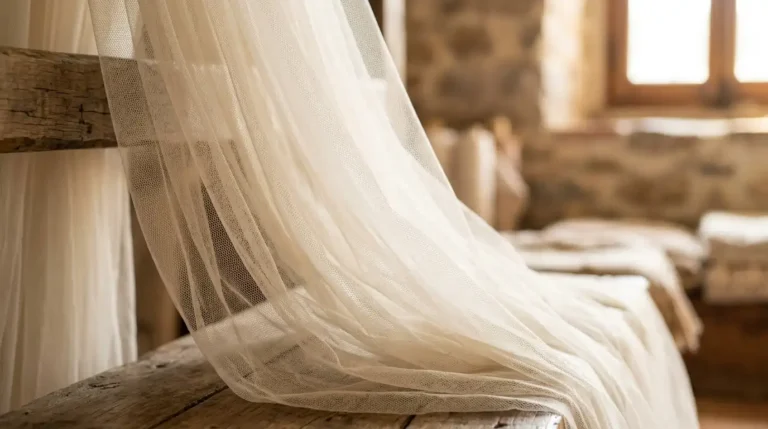
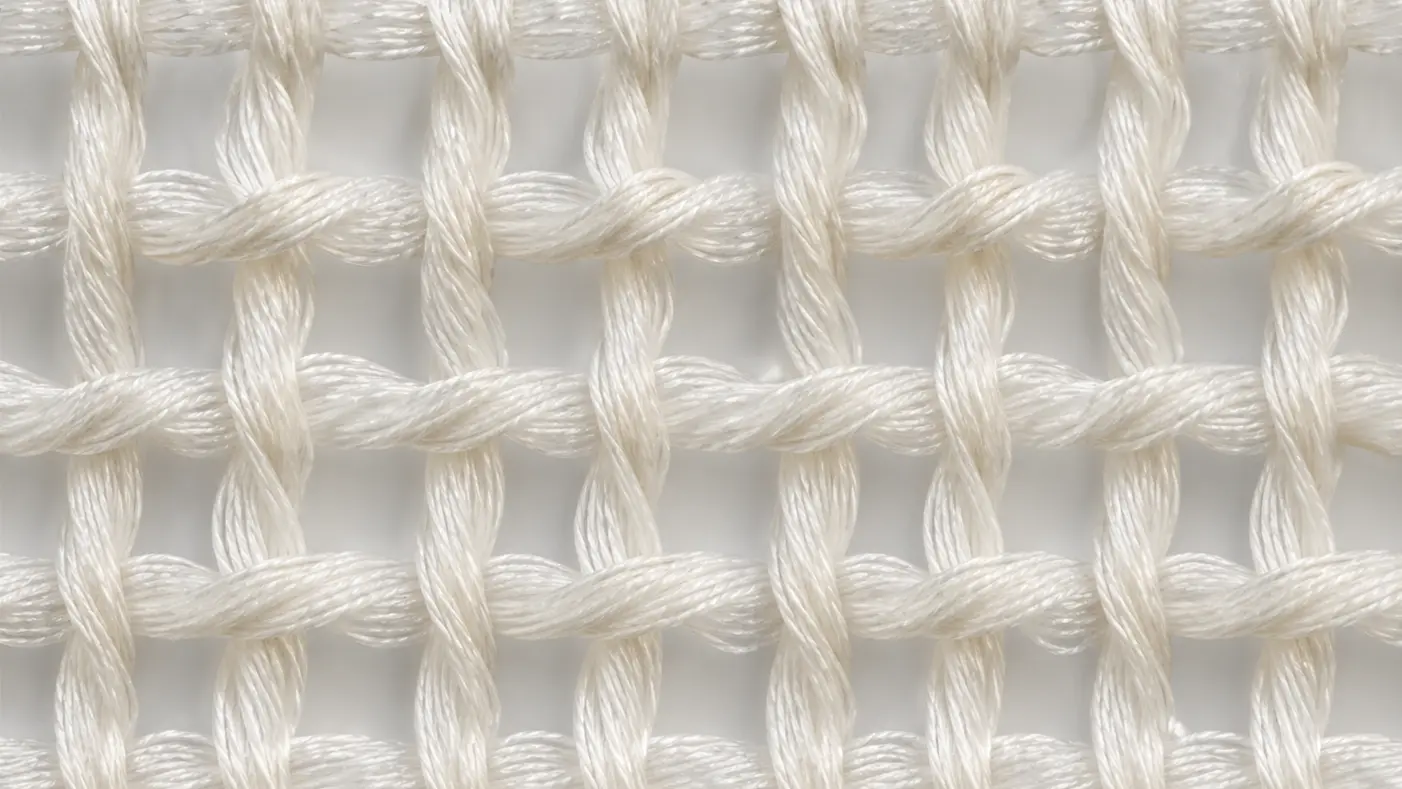
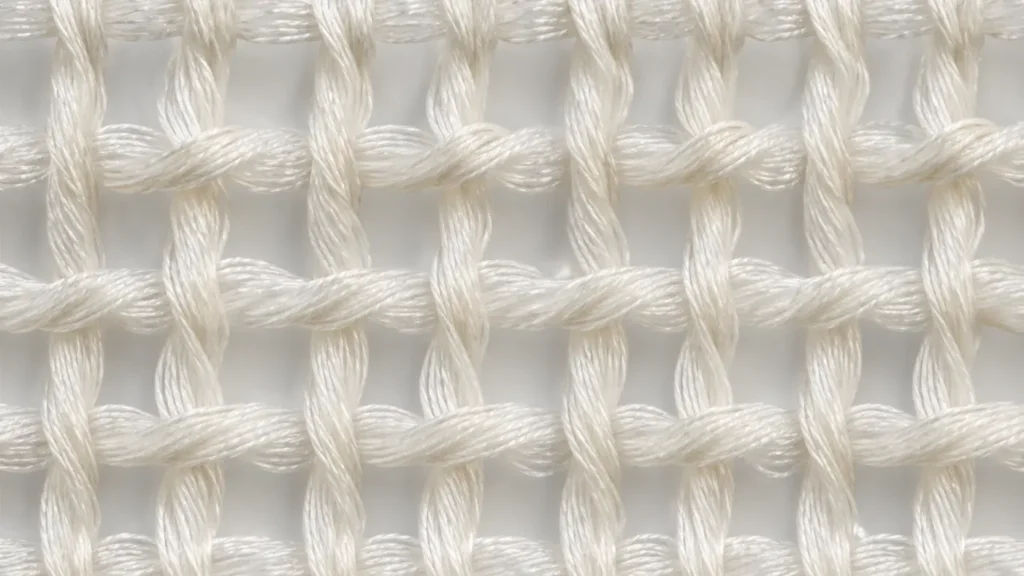
Chiffon is a lightweight, semi-transparent plain-weave fabric made from tightly twisted yarns. The word comes from French, originally meaning “rag” or “scrap of cloth” — ironic, given how prized it is today.
What sets chiffon apart isn’t just its weight. It’s the way the yarns are twisted before weaving that gives the fabric its signature texture and movement.
One-line definition: A sheer, flowing fabric woven from high-twist yarns, known for its soft drape and subtle surface texture.
Why Does Chiffon Flow?
Most articles stop at “chiffon uses high-twist yarn.” But that explanation skips the part that actually matters.
How the Twist Works
Chiffon is woven using alternating S-twist and Z-twist yarns — typically arranged in a 2S, 2Z pattern across both warp and weft. These two twist directions spiral in opposite directions, like a left-handed and right-handed screw.
When these opposing twists are woven together at very low density, they create microscopic surface puckers — a subtle crepe effect. This is the physical origin of chiffon’s drape.
The Chain Reaction
| Structural Feature | Effect on Fabric |
|---|---|
| Alternating S/Z twist | Creates surface micro-puckers |
| Low weave density | Allows yarns to move freely |
| Micro-puckers | Generate slight elasticity |
| Slight elasticity | Produces flowing, gravity-responsive drape |
This also explains chiffon’s contradictory feel: it looks impossibly soft, but touching it reveals a faint roughness. That texture comes from the twisted yarn surface, not from coarse fibers.
GSM (grams per square meter), yarn thickness, and weave density all interact to determine how light or opaque a chiffon will be. A 30 GSM silk chiffon behaves very differently from a 75 GSM polyester version — even if both are technically “chiffon.”
What Is Chiffon Used For?
Chiffon’s combination of lightness, drape, and visual elegance makes it useful across more contexts than most people realize.
Clothing
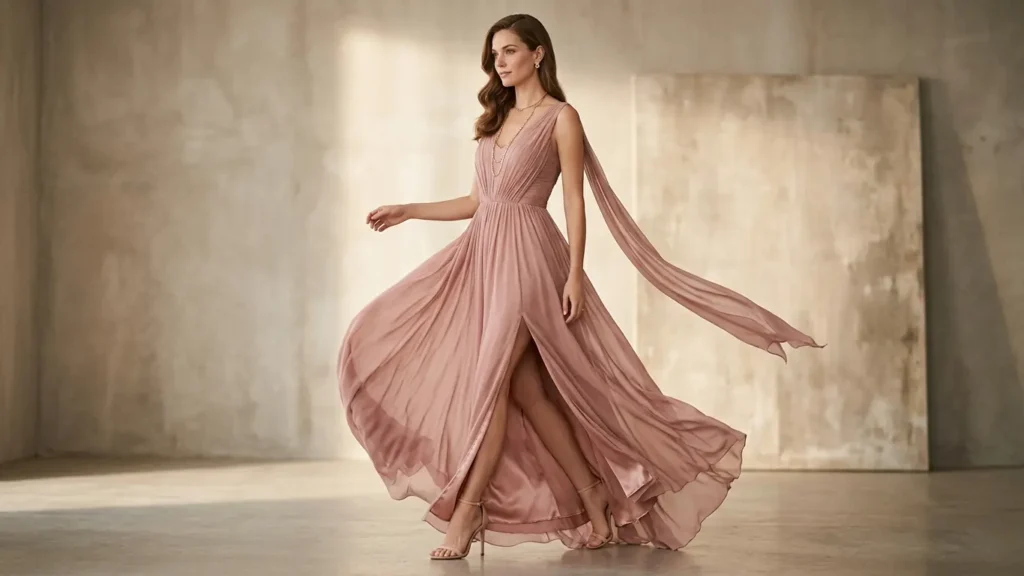
Evening gowns and formal dresses: Chiffon is a staple in formalwear. It’s typically cut on the bias to maximize drape, and layered over a lining to control transparency. The fabric follows body movement naturally, which is why it photographs so well.
Blouses and shirts: Lightweight chiffon blouses are a spring and summer wardrobe staple. Pale colors work best since the fabric’s transparency is harder to manage in darker shades without lining.
Scarves and headscarves: The drape and lightness of chiffon make it ideal for scarves. It wraps easily, holds loose folds, and moves with the wearer.
Lingerie and sleepwear: Finer chiffon varieties — particularly silk chiffon — are used in robes, slips, and nightgowns where softness and a luxurious feel matter more than durability.
Menswear: Less common, but chiffon has appeared in contemporary menswear — particularly in resort and avant-garde collections where lightweight layering is the goal.
Home & Stage
- Curtains and window panels — chiffon filters light without blocking it, creating a soft, diffused glow in a room
- Bed canopies and decorative draping — used for visual texture rather than function
- Stage and dance costumes — the fabric’s movement under stage lighting is unmatched for creating visual drama
Processing Versatility
Chiffon accepts a wide range of finishing treatments:
- Dyeing (solid, ombre, tie-dye)
- Digital and screen printing
- Embroidery and beading
- Pleating and smocking
- Metallic foil printing
Stretch chiffon — made by adding spandex or elastane to the yarn blend — combines chiffon’s visual qualities with added comfort and recovery. It’s increasingly popular in everyday dresses and blouses.
Chiffon Pros and Cons
The honest answer to “is chiffon good fabric?” depends entirely on which chiffon you’re talking about. The fiber content changes everything.
What All Chiffon Types Share
- Lightweight and breathable
- Excellent drape and flow
- Elegant appearance
- Versatile for dyeing and printing
- Works across seasons when layered
Fiber-by-Fiber Breakdown
| Type | Pros | Cons |
|---|---|---|
| Silk chiffon | Soft, natural luster, breathable, temperature-regulating | Expensive, fades in sunlight, requires hand washing, seams can pull |
| Polyester chiffon | Affordable, colorfast, wrinkle-resistant, easy care | Traps heat, less breathable, can look plasticky at low quality |
| Viscose/rayon chiffon | Smooth, vibrant colors, soft drape | Weak when wet, prone to stretching out of shape, hems can distort |
Buyer’s note: The majority of chiffon sold today — especially at mid-to-low price points — is polyester. Labels sometimes say “chiffon” without specifying fiber content. Always check the composition tag.
The Visual Logic of Chiffon
Layering Changes Color
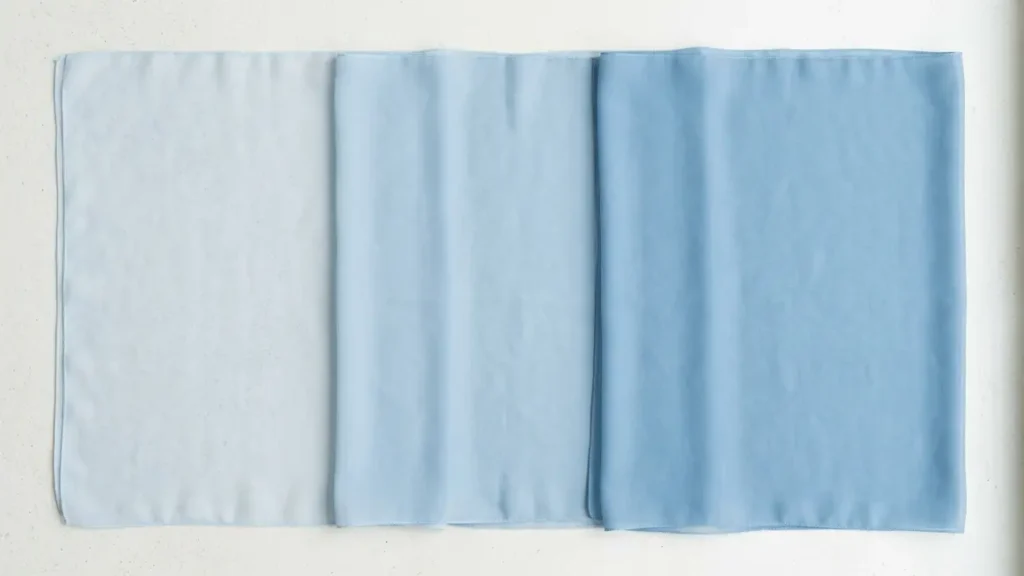
A single layer of chiffon reads as one color. Add a second layer and the color deepens noticeably. Three layers and you’re approaching opacity. Designers use this intentionally — building color depth through layering rather than using heavier fabric.
Light Behavior
Chiffon doesn’t reflect light the way satin does. Instead, it diffuses it — creating a soft glow rather than a shine. This is why chiffon photographs well in natural light and why it’s flattering on camera.
The Dark Color Problem
Dark chiffon is harder to work with than light chiffon. The transparency that makes pale chiffon ethereal makes dark chiffon look unfinished without proper lining. Navy, black, and deep burgundy chiffon almost always need a full lining to look intentional rather than accidental.
Proportion and Drape
The flowing quality of chiffon creates vertical movement when worn, which visually elongates the body. This is why chiffon maxi skirts and wide-leg chiffon trousers are so consistently flattering — the fabric does the work.
Why Does Cheap Chiffon Look Cheap?
Price differences in chiffon aren’t arbitrary. Three technical factors drive quality — and they’re all measurable.
The Three Quality Indicators
1. Yarn twist level Higher twist = more surface texture = better drape. Budget polyester chiffon often uses lower-twist yarn to cut costs, which produces a flatter, less fluid fabric.
2. GSM (grams per square meter) This is the fabric’s weight. Chiffon typically ranges from 30–80 GSM. Very low GSM can feel insubstantial; higher GSM adds body without sacrificing drape.
3. Weave density More threads per inch = tighter weave = better structure and longevity. Low-density chiffon snags easily and loses shape faster.
Price Reality Check
| Category | Typical Price Range | Fiber | Best For |
|---|---|---|---|
| Budget polyester chiffon | $1–3/yard | 100% polyester | Casual wear, craft projects |
| Mid-range polyester chiffon | $3–8/yard | Polyester blend | Everyday dresses, blouses |
| Viscose/rayon chiffon | $5–12/yard | Viscose | Flowy dresses, scarves |
| Silk chiffon | $20–50+/yard | 100% silk | Formalwear, investment pieces |
The Burn Test
When buying in person, a quick burn test distinguishes silk from polyester:
- Silk: Burns slowly, smells like burning hair, leaves a crushable ash
- Polyester: Melts rather than burns, smells chemical/sweet, leaves a hard bead
Only do this with a small thread sample in a safe environment.
Chiffon vs. Similar Fabrics
| Fabric | Transparency | Hand Feel | Drape | Best Use |
|---|---|---|---|---|
| Chiffon | High | Slightly textured | ⭐⭐⭐⭐⭐ | Gowns, scarves, blouses |
| Georgette | Medium | Rougher, more body | ⭐⭐⭐⭐ | Everyday tops, wrap dresses |
| Organza | Very high | Crisp, stiff | ⭐⭐ | Structured gowns, overlays |
| Voile | Medium | Soft, smooth | ⭐⭐⭐ | Curtains, summer dresses |
| Tulle | High | Net-like, scratchy | ⭐ | Skirt volume, veils |
The key distinction between chiffon and georgette — the two most commonly confused — is body and texture. Georgette has more weight and a rougher surface; chiffon is lighter and more fluid. Georgette holds its shape better; chiffon moves more freely.
Summary
Chiffon isn’t just one fabric — it’s a category that spans cheap polyester sheeting and fine silk that costs more per yard than most people spend on a full garment. The difference lies in fiber content, yarn twist, weave density, and GSM.
The fabric’s enduring appeal comes down to one thing: nothing else moves quite like it. That movement isn’t accidental — it’s the direct result of how the yarn is twisted and how loosely it’s woven. Once you understand that, you’ll never look at a chiffon garment the same way.