What Is Flannel Fabric? A Complete Guide
Pull a flannel shirt out of the closet in October and it almost feels like it’s greeting you. That soft, slightly fuzzy surface has been doing the same job for over 400 years: keeping people warm without making them itch. But “flannel” gets thrown around loosely these days — slapped on everything from $15 pajama sets to $300 wool suits. Some of it deserves the name. A lot of it doesn’t. This guide breaks down what flannel actually is, where it came from, what it’s made of, and how to tell the real thing from a cheap imitation before you buy.
What Is Flannel?
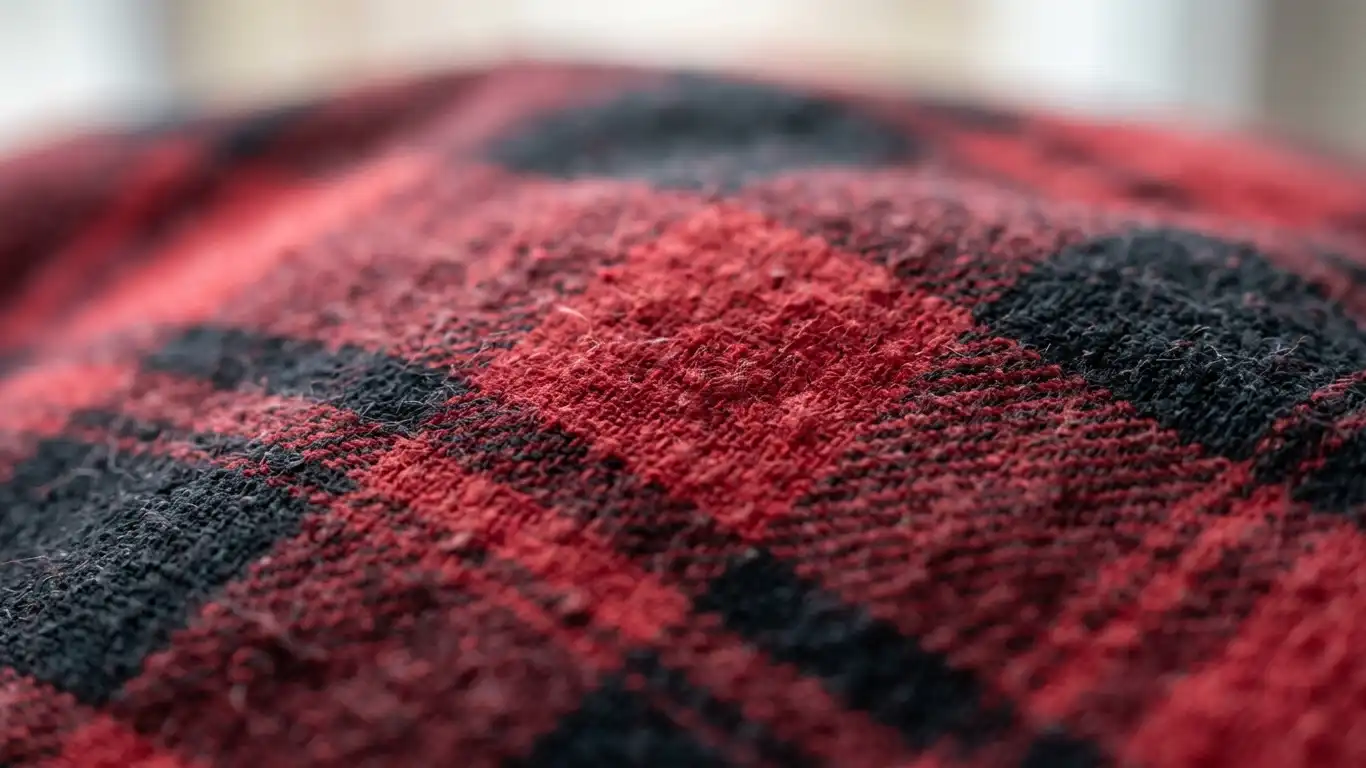
Flannel is a woven fabric, not a pattern. That’s the first thing to get straight — plaid and flannel get confused constantly, but plaid is a checkered design that can show up on almost any cloth, while flannel refers to the texture and construction of the fabric itself.
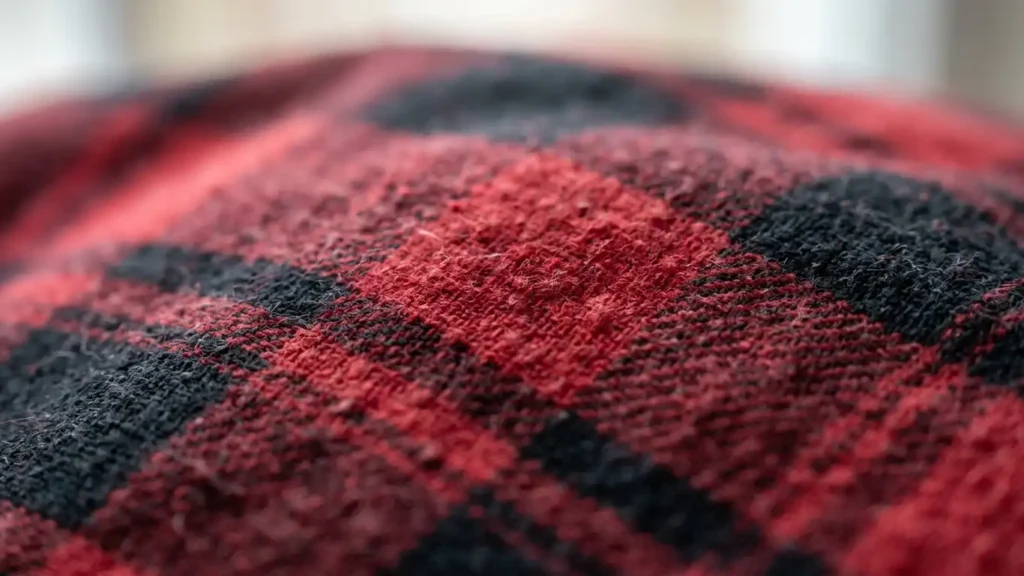
What makes a fabric “flannel” comes down to two things: a loose weave (plain or twill) and a brushed or napped surface that raises tiny fibers and gives the cloth its soft, slightly fuzzy hand. Some flannel skips the brushing step entirely and gets its softness from loosely spun yarn alone. Either way, the result is a fabric that traps warm air close to the body while still letting it breathe.
From Welsh Farms to Global Wardrobes
Flannel’s story starts in 17th-century Wales. Sheep farming was the backbone of the local economy, and textile workers found a use for leftover wool — carding it to soften the fibers, then weaving it into a cloth that held up against the cold, wet Welsh climate. The fabric earned a reputation fast, and by the late 1600s it had crossed into France and England, where it became a staple for working-class clothing during the Industrial Revolution.
Flannel made its way to America not long after and went on to clothe soldiers, miners, and laborers for the next two centuries. It picked up cultural weight again in the 1990s, when the grunge scene turned plaid flannel shirts into a uniform, and again in the 2000s with the outdoor and hipster fashion movements. Today it sits comfortably in both work-shirt and high-fashion territory.
What Flannel Is Made From
Flannel isn’t tied to one fiber. It started as pure wool, but modern flannel comes in several material types, each with a different feel and use case.
- Wool – the original flannel fiber. Warmer, heavier, and used for tailored garments like suits and coats.
- Cotton – the most common type today. Lighter, breathable, and easy to care for.
- Synthetic fibers (polyester, nylon) – cheaper to produce, wrinkle-resistant, but less breathable than natural fibers.
- Blends – combine cotton or wool with synthetics for a balance of softness, durability, and price.
For a closer look at how synthetic fibers like polyester and nylon behave in apparel, our polyamide fabric guide breaks down how they compare to natural materials in everyday use.
Types of Flannel Fabric
Flannel branches into several distinct categories, mostly defined by fiber content and intended use:
- Cotton flannel — soft, breathable, used in shirts, pajamas, and bedding
- Wool flannel — heavier, warmer, common in suits and outerwear
- Synthetic flannel — budget-friendly, wrinkle-resistant, less breathable
- Baby flannel — napped on both sides for extra softness against sensitive skin
- Ceylon flannel — a 50/50 cotton-wool blend, lighter and smoother than standard flannel
- Vegetable flannel — made from Scots pine fiber, a niche hypoallergenic alternative for those with wool sensitivities
- Diaper flannel — double-napped for absorbency, used in reusable cloth diapers
- Flannelette — a lighter, cheaper cotton-based imitation of true flannel
Hand-Woven vs Industrial Flannel
Traditional flannel was made by hand from start to finish: carding the wool, spinning it into yarn, weaving it on a manual loom, and brushing the surface by hand to raise the nap. This process was slow but produced a dense, durable cloth with real character.
Most flannel today comes from industrial mills. Machines spin the yarn, power looms handle the weaving, and metal brushes nap the fabric at high speed. The trade-off is straightforward: industrial flannel is far more affordable and consistent, but it rarely matches the density and longevity of hand-finished cloth. A small number of mills (Welsh wool producers and a few heritage American brands) still make limited runs using older methods, and these tend to carry a noticeably higher price tag for that reason.
Key Properties of Flannel
Three qualities define flannel, regardless of fiber type:
- Softness — comes from the loose weave and the napped surface
- Warmth — the brushed fibers trap air, which slows heat loss
- Breathability — the loose weave lets air and moisture pass through rather than getting trapped against the skin
This combination is why flannel shows up so often in cold-weather clothing and bedding — it keeps you warm without making you overheat or sweat through the fabric.
Pros and Cons of Flannel
Pros
- Soft against the skin, even for sensitive users
- Strong heat retention for cold weather
- Breathable compared to many synthetic alternatives
- Generally affordable, especially cotton and blended versions
- Gets softer with each wash
Cons
- Prone to pilling, especially in lower-quality or synthetic blends
- Can shrink if washed in hot water or dried on high heat
- Darker colors may bleed or fade over repeated washes
- Wool flannel often requires dry cleaning, which adds cost
- Can feel too warm for mild climates or year-round wear
Flannel vs Fleece vs Corduroy vs Wool Twill
These four fabrics get compared constantly because they all serve a similar purpose — cold-weather comfort — but they’re built very differently.
| Feature | Flannel | Fleece | Corduroy | Wool Twill |
|---|---|---|---|---|
| Construction | Woven, napped | Knit, synthetic pile | Woven, ribbed pile | Woven, diagonal weave |
| Common fiber | Cotton, wool, blends | Polyester | Cotton | Wool |
| Warmth | Medium-high | High | Medium | Medium-high |
| Breathability | Good | Lower | Medium | Good |
| Durability | Moderate | Moderate-high | High | High |
| Typical use | Shirts, pajamas, bedding | Jackets, outerwear | Pants, jackets | Suits, trousers |
| Care | Machine wash, low heat | Machine wash | Machine wash | Often dry clean |
Sources: fabric construction and fiber details cross-referenced from Wikipedia entries on Flannel, Polar fleece, and Corduroy; care guidance based on standard textile care conventions (Woolmark, OEKO-TEX general fiber care guidelines).
If you’re weighing flannel against other woven wool fabrics for tailoring or outerwear, it’s worth comparing it to tweed as well — our tweed fabric guide covers a similarly rugged, wool-based cloth with a different weave structure and finish.
How to Spot Real, Quality Flannel
Not every fabric labeled “flannel” actually meets the definition, and quality varies a lot between mills. A few practical checks before you buy:
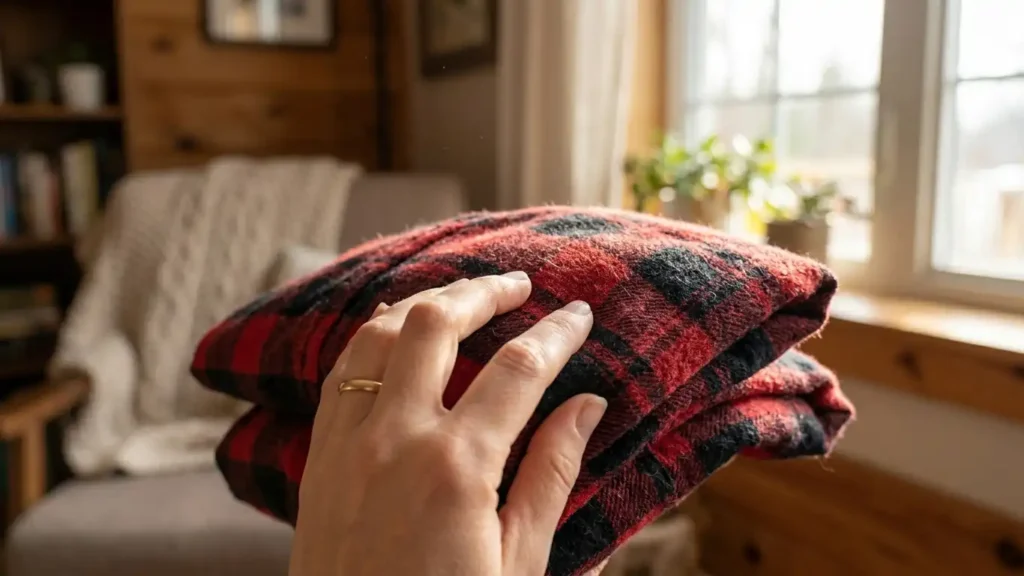
- Touch test — real flannel should feel soft and slightly fuzzy, not flat or papery. Run your hand against the nap; it should resist slightly and feel cushioned.
- Check the label — look for the actual fiber content (100% cotton, wool, or a clearly stated blend). Vague terms like “flannel-style” or “brushed fabric” often mean a thinner imitation.
- Look at the weight — heavier flannel (often listed in GSM or ounces per yard on product specs) tends to hold up better and feels warmer. Very lightweight flannel is more prone to thinning out after a few washes.
- Inspect the nap density — hold the fabric up to light. Dense, even napping signals better quality; sparse or uneven napping usually means a cheaper weave underneath.
- Watch for flannelette substitutes — flannelette mimics flannel’s look at a lower price point but uses a thinner weave and wears out faster. If the price seems unusually low for “flannel,” it may actually be flannelette.
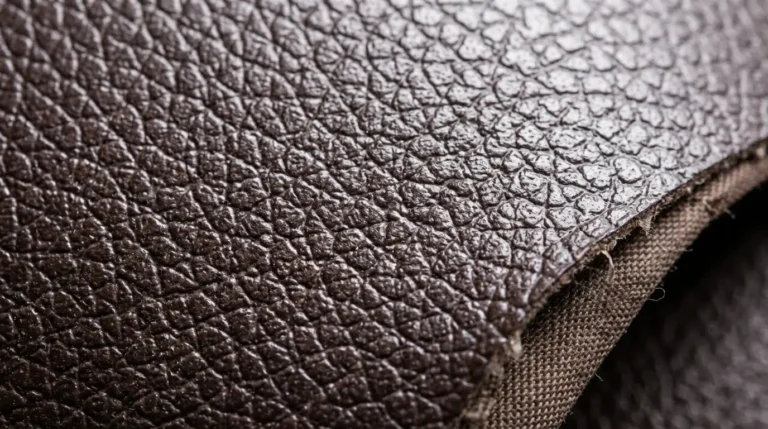
For buyers comparing flannel to other budget-friendly substitute materials, our faux leather guide walks through a similar real-vs-imitation evaluation process that applies the same buying logic.
Summary
Flannel earns its long-running popularity honestly: it’s a woven, napped fabric that traps warmth without sacrificing breathability, and it comes in enough fiber variations (cotton, wool, synthetic, and specialty types like baby or vegetable flannel) to fit almost any budget or use case. It does come with trade-offs — pilling, shrinkage, and the gap between industrial and hand-finished quality are all real considerations — but knowing what to check for at the point of purchase (fiber content, weight, nap density) makes it easy to avoid the cheaper imitations sold under the same name. Whether you’re shopping for a shirt, bedding, or fabric by the yard, the basics covered here should be enough to buy with confidence.
FAQs
Is flannel fabric warmer than fleece?
Fleece generally retains slightly more heat due to its synthetic pile construction, but flannel offers better breathability, making it more comfortable for layered indoor wear.
Does 100% cotton flannel shrink after washing?
Yes, cotton flannel can shrink, especially in hot water or high-heat drying. Washing in cold water and air-drying or using low heat helps minimize shrinkage.
What’s the difference between flannel and flannelette fabric?
Flannel typically uses a denser weave and heavier weight, while flannelette is a lighter, less durable cotton-based fabric designed to mimic flannel’s softness at a lower cost.
Is wool flannel or cotton flannel better for winter clothing?
Wool flannel provides more warmth and is better suited for outerwear and tailored pieces, while cotton flannel is lighter, more breathable, and easier to care for in everyday wear like shirts and pajamas.
How do you keep flannel fabric from pilling?
Washing flannel in cold water, turning garments inside out before washing, and avoiding high heat in the dryer all reduce friction that causes pilling over time.