Warp Knit Mesh Fabric: GSM and Stretch Guide for Buyers
A practical sourcing guide to warp knit mesh fabric. Learn how GSM, hole size, stretch, recovery, hand feel, and finishing affect bulk orders.

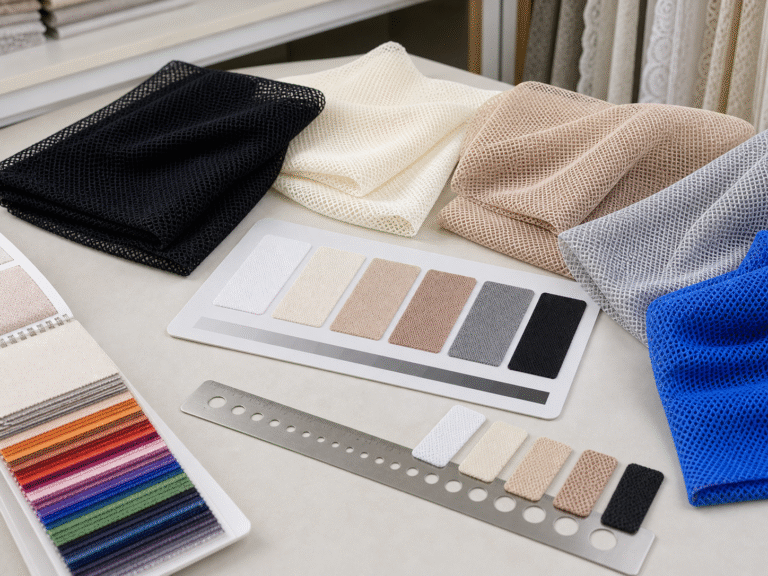
A practical sourcing guide to warp knit mesh fabric. Learn how GSM, hole size, stretch, recovery, hand feel, and finishing affect bulk orders.
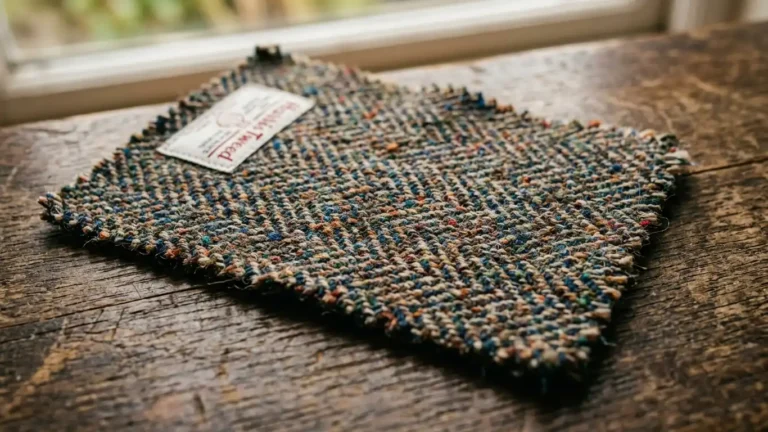
Tweed has a way of outlasting nearly every trend that tries to replace it. It survived the synthetic revolution of the 1970s, made it through the fast-fashion era, and today shows up on both country estates and high-fashion runways. If you’ve ever picked up a jacket and noticed a dense, slightly rough, flecked wool cloth…
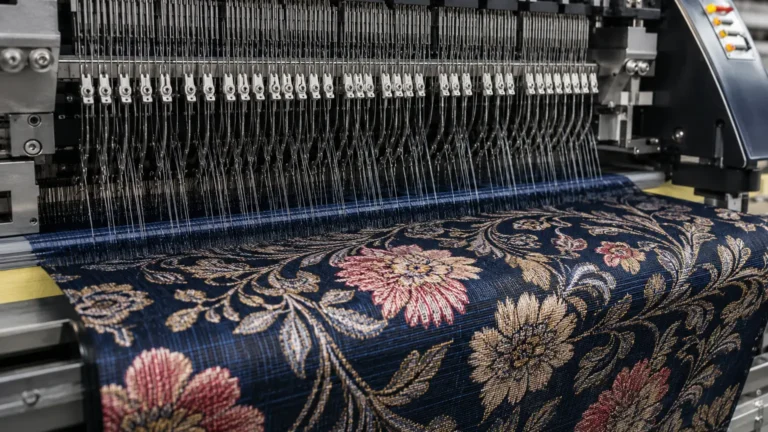
Pick up an expensive sofa cushion, an evening gown, or a set of hotel-quality bed sheets, and there’s a good chance you’re touching jacquard. The fabric shows up everywhere, yet most people couldn’t explain what makes it different from a printed or embroidered textile. The answer comes down to one idea: the pattern isn’t applied…
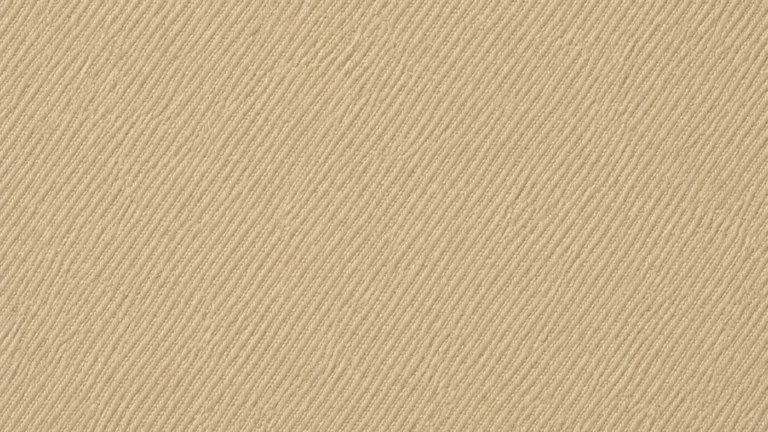
Reach into your closet and pull out a pair of jeans. Run your fingers along the surface — those faint diagonal lines you feel are not a printing effect or a design choice. They are the weave itself. That subtle texture is the signature of twill, one of the oldest and most versatile fabric structures…
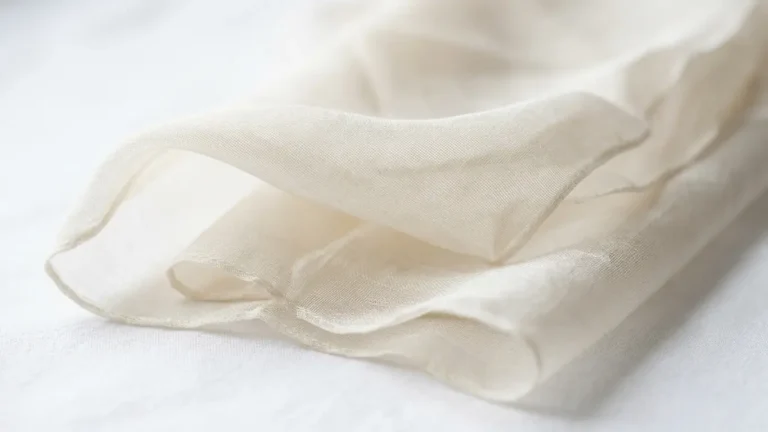
Pick up any evening gown, bridal veil, or flowy blouse and there’s a good chance the fabric drifting through your fingers is chiffon. It’s one of those materials that looks expensive without always costing much — sheer, lightweight, with a drape that moves almost like water. But “chiffon” is not a single fabric. It’s a…
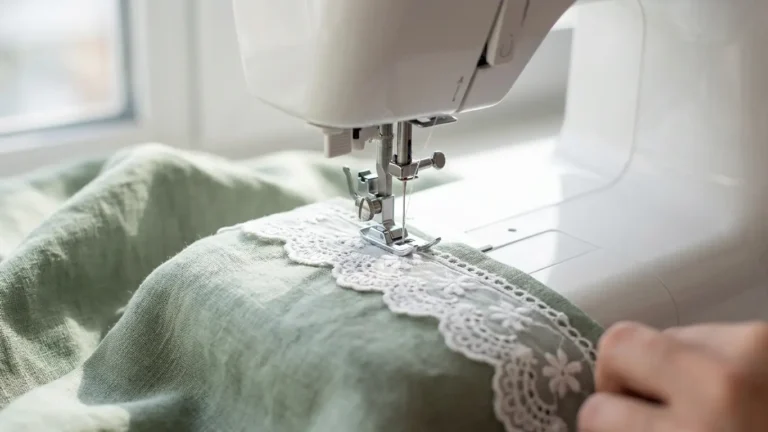
Lace is not just for grandma’s doilies or vintage bridal gowns anymore! The “Laced Up” trend of 2026 combines delicate textures with things like big hoodies and denim. If you want to be a professional seamstress instead of just a hobbyist, you need to know how to properly finish your lace trim, whether you’re taking…
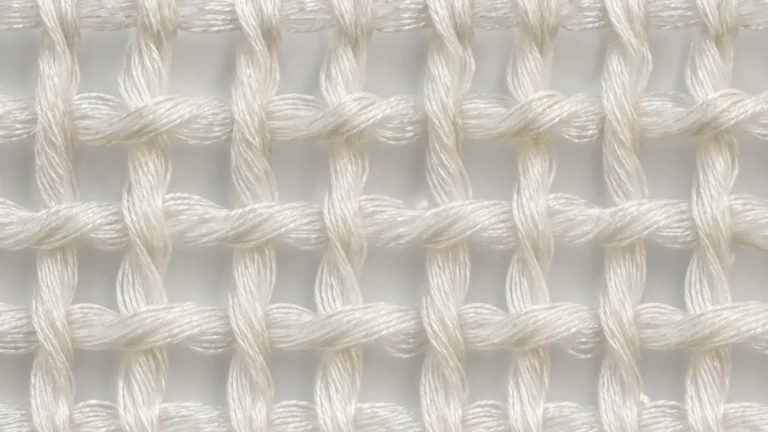
Chiffon fabric is synonymous with elegance and lightness, yet many shoppers have noticed something puzzling: two dresses both labeled “chiffon” can feel and look very different. Why is that? This article goes beyond simple definitions to explain the science, uses, pros and cons, design insights, and pricing realities behind chiffon fabric. Whether you’re a designer,…
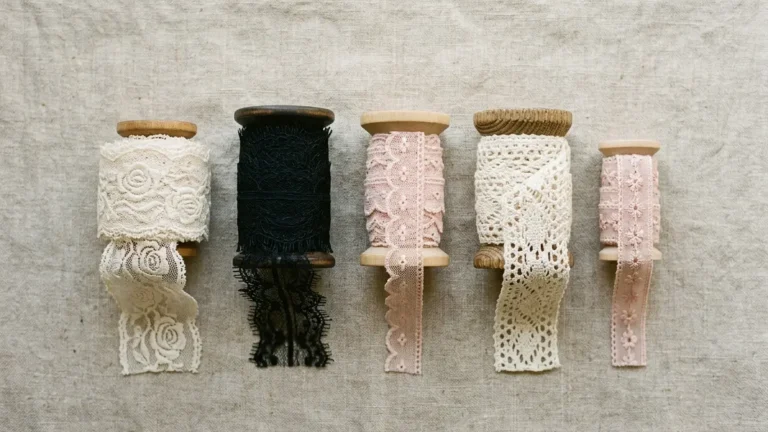
Buying lace trim looks simple until you get three quotes for the “same” product — and they range from 0.15 to 4.80 a yard. This guide is for sourcing buyers, merchandisers, and brand owners who need to understand what actually drives price, quality, and lead time in lace trim procurement. We won’t waste your time defining…
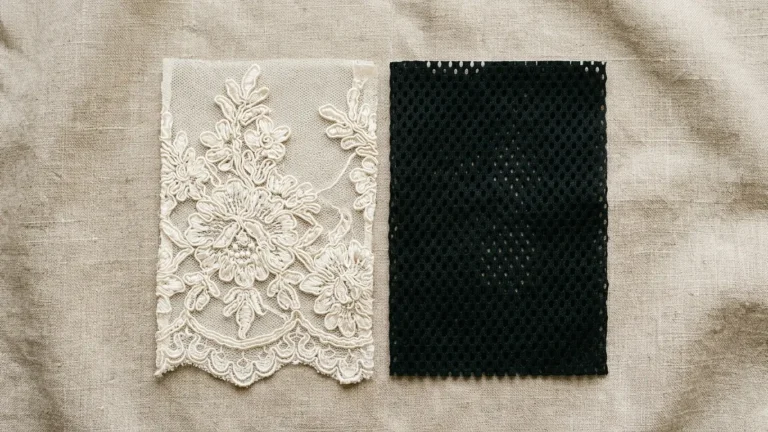
Lace and mesh are both defined by the empty spaces that they have. They are made of open-weave structures with visible gaps and they consist of equal parts thread and air. However, despite the fact that these two fabrics share this trait of being produced from the same materials, they could not be more different…
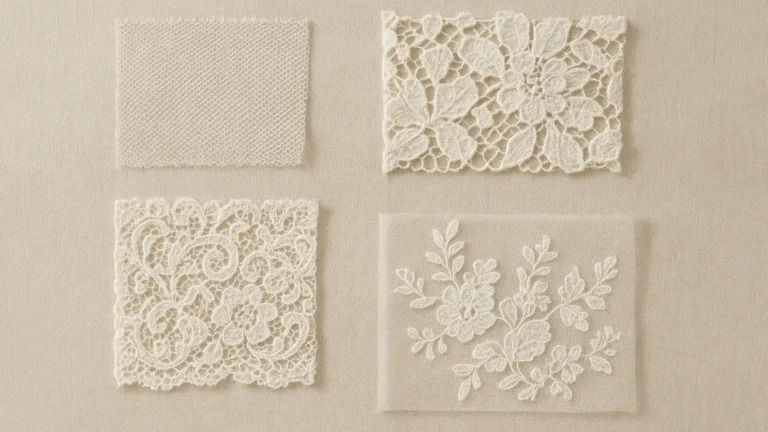
If you’ve ever ordered “lace” and received something that looks right in a product photo but behaves totally differently in production—too stiff, too fragile, too scratchy, too stretchy—you’ve already learned the hard lesson: “Lace material” isn’t one thing. It’s a mix of how the lace is constructed (woven, knitted, embroidered, or dissolved-out) and what fibers it’s made from (nylon, polyester,…
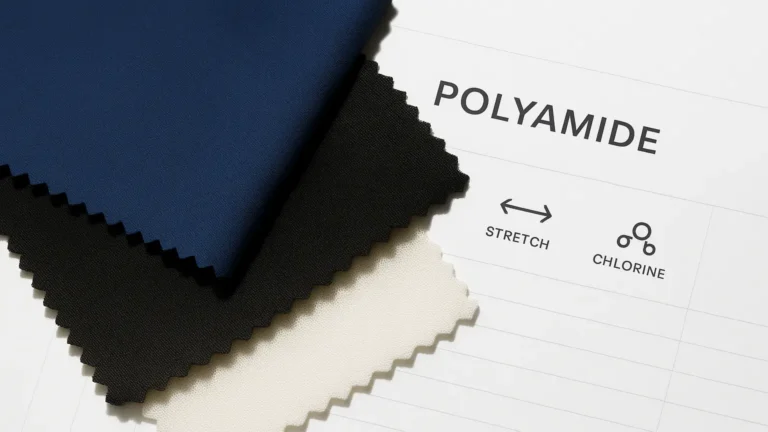
If you’re sourcing for swimwear or intimate apparel, “polyamide” can feel like a vague term—until you’re the one who has to sign off on performance, color consistency, and returns risk. This guide translates polyamide (nylon) into procurement language: what it is, how it behaves vs. polyester/cotton/viscose, where it wins, where it’s the wrong choice, and…
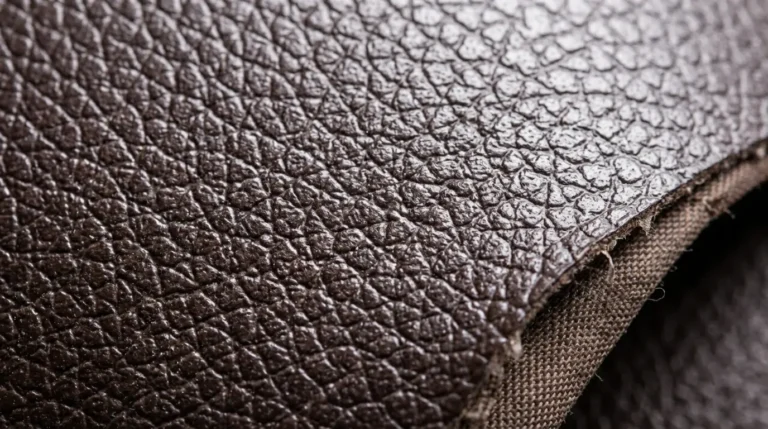
Faux leather looks like leather. It feels similar. It costs less. But what most guides don’t tell you is this: its real value depends on time, not price. This article skips the basics and focuses on what actually matters—how faux leather behaves, why it fails, and when it makes sense to use it. Faux Leather…
No products in the cart.